Ranking Every Season 2 Episode
from a Modern Horror Perspective
“You’re traveling through another dimension — a dimension not only of sight and sound but of mind.”
After the first season of The Twilight Zone was deemed a critical hit, the show was renewed for a second season. But behind the scenes, things were not always rosy. During the first season, Rod Serling and producer Buck Houghton had a bad habit of overspending and CBS noted that the ratings did not justify the additional costs.
In season two, we start to see some of the cost saving measures. The season still looks great, but no longer are there scenes like the in the post-apocalyptic “Time Enough to Last” where you wonder how a television show could afford to do that.
Instead, we got seven fewer episodes, six of which were shot on videotape. And if you’re wondering if that did the trick, just know that both of these cost saving measures get abandoned in season three. The video tape experiment did not actually save much money, but it did result in six episodes that look sub-par. The contained sets of “Lateness of the Hour” and “Static” help to overcome the degraded film quality, but “Twenty-Two” and “Long Distance Call”, two episodes where the visuals matter, might have been placed even higher if they had that polished look that film offers.
Season two is also pretty noteworthy for how it ends. Four of the last five episodes are fan favourites, with “Will the Real Martians Please Stand Up?” and “The Obsolete Man” being considered amongst the series’ best episodes.
For most fans, the real highlight is “Eye of the Beholder” — a landmark Sterling-written episode that defined what The Twilight Zone could achieve. It exemplifies the series at its most confident and ambitious, proving that television could be both visually daring and emotionally resonant.
But the real unsung heroes of season two, at least for me, are writers Richard Matheson and Charles Beaumont who keep the show’s imagination alive while Serling’s output wavers under the strain of his demanding contract. As key contributing freelance writers, they more than held up their end of the bargain, delivering many of the season’s best episodes. Matheson only had a significant hand in two episodes, “Nick of Time” and “The Invaders”, but wow…are these episodes ever memorable. And Beaumont, who has five episodes to his credit, continued to push The Twilight Zone into even darker territory.
So let’s take that “journey into a wondrous land whose boundaries are that of imagination.”
NUMBER TWENTY-NINE
S2.E14 ∙ The Whole Truth
“The Whole Truth” is one of those episodes where a promising premise is let down by weak execution. It’s also the third of the notorious episodes that were videotaped instead of being shot on film, a move done to help contain the ballooning production costs.
Harvey Hunnicut, the slick-talking owner of a notoriously shady used car lot, jumps at the chance to buy a vintage Model A Ford for a suspiciously low price. But there’s a catch, the seller warns “the car is haunted”—a claim Hunnicut easily laughs off. Turns out, calling the car “haunted” is only half true. The vehicle harbors a bizarre and inexplicable power that forces its owner to tell the truth.
The Twilight Zone often excels at dark comedy, but it tends to falter when it veers into more conventional humor. This episode, in particular, builds toward a dated Cold War-era punchline that no longer lands with the same impact it once would have.
NUMBER TWENTY-EIGHT
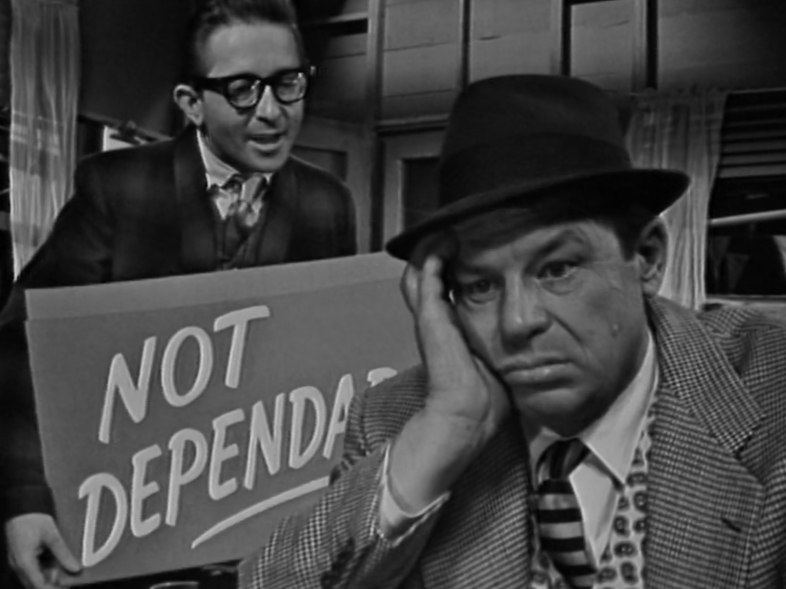
S2.E8 ∙ The Lateness of the Hour
Though not outright terrible, The Lateness of the Hour brings an unfortunate end to a solid streak of standout Twilight Zone episodes with female leads—rhyme or reason proving that no gender is immune to a dud.
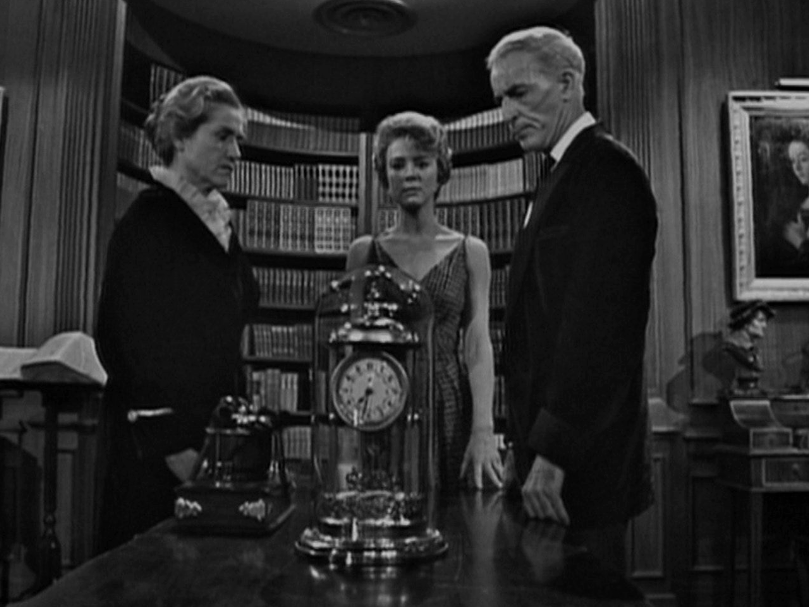
To be fair, “The Lateness of the Hour” had plenty working against it. For one thing, it’s the first of the six episodes shot on videotape to air and its footage looks noticeably more grainy than other episodes. On top of that, the entire production had to be confined to a studio set, which severely limited both the visual scope and setting.
The story centers on Jana, a woman in her twenties who lives in seclusion with her brilliant father, Dr. William Loren, her mother, and five servants. On the surface, the Lorens live a life of comfort, but they intentionally shut themselves off from the world—and young Jana is beginning to crave something more. Frustrated by their sterile, sheltered existence, she lashes out in a fit of rebellion, even pushing one of the servants down the stairs to prove her point.
Of course, no harm is done as the servants are all actually robots built by her father before he withdrew from society.
For a TV episode more than 65 years old, “The Lateness of the Hour” still delivers a sharp critique of society’s overreliance on technology—suggesting that too much convenience just breeds laziness and ignorance.
By this point in the series, Rod Serling’s signature twists are becoming easier to spot—which wouldn’t be such a dealbreaker had this episode not been anchored by a lead that comes off more like a petulant child than a conflicted adult. As a result, “The Lateness of the Hour” ends up being more grating than thought-provoking.
NUMBER TWENTY-SEVEN
S2.E19 ∙ Mr. Dingle, the Strong
This story of a weak man who is suddenly given the strength of 300 men by invisible aliens is further proof The Twilight Zone is not at its best with traditional comedy.
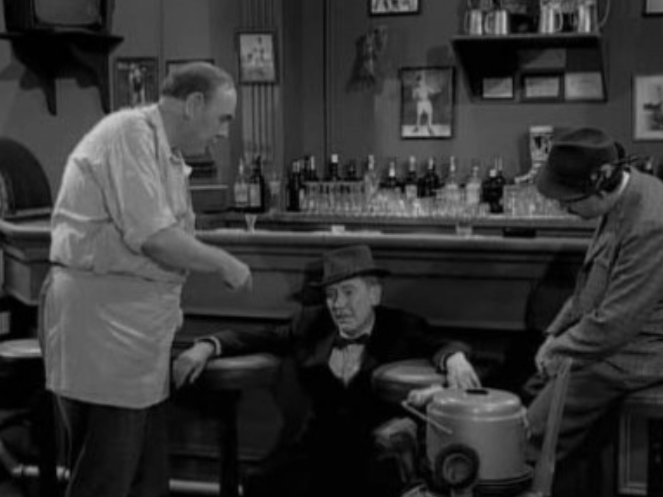
On the surface, “Mr. Dingle, the Strong” has a lot going for it. The goofy-looking aliens add corny charm to an intentionally lighter episode and the effects that show Dingle’s superhuman strength are well executed. And the performances from Burgess Meredith and the rest of the supporting cast are quite good in this one.
But the constraints of the 24-minute timeframe make it feel like Dingle’s powers are gone before he has time to do much with them; and this causes Sterling’s message about the connection between power and societal worth to feel rushed and underdeveloped. In my opinion, this idea could have worked better using season four’s 50-minute format. I think more back-and-forth banter from the observing aliens might have alleviated a lot of my criticism.
NUMBER TWENTY-SIX
S2.E13 ∙ Back There
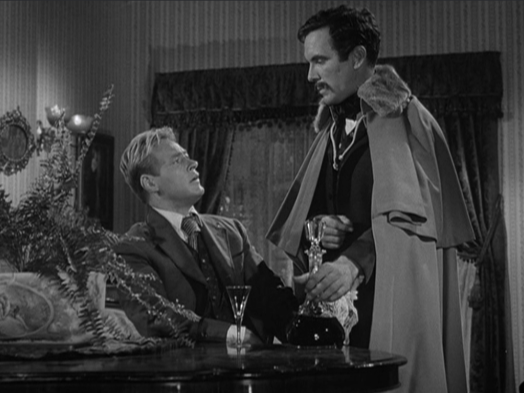
This is an episode that starts off well enough. A group of men in Washington playing poker at an exclusive club while talking about time travel. The main cause of debate seems to be whether or not major events could be changed.
Then, without any real rhyme or reason, one of the men, Pete Corrigan, gets sent back in the past to the exact day Abraham Lincoln is to be assassinated. Can he change the outcome?
I guess my biggest problem with this episode is that I can’t understand why Corrigan would even want to intervene with history. What stakes are in it for him? My own first instinct would be to do as little as possible to avoid accidentally being unborn or creating a worse alternate timeline.
Sadly, “Back There” marks the second underwhelming time-travel episode of The Twilight Zone featuring Russell Johnson—the first being “Execution.” Gilligan’s Island’s Professor probably deserved better, but both performances were honestly, just serviceable.
“Back There” has its share of fans, I’m just not one of them. Its attempt to explore the paradoxes of time travel feels half-hearted, ultimately being too compromising to say anything meaningful. Serling had the framework for a more compelling story, but this time he dropped the ball.
NUMBER TWENTY-FIVE
S2.E1 ∙ King Nine Will Not Return
Conceptually, season two of The Twilight Zone starts off in a shockingly similar manner to season one.
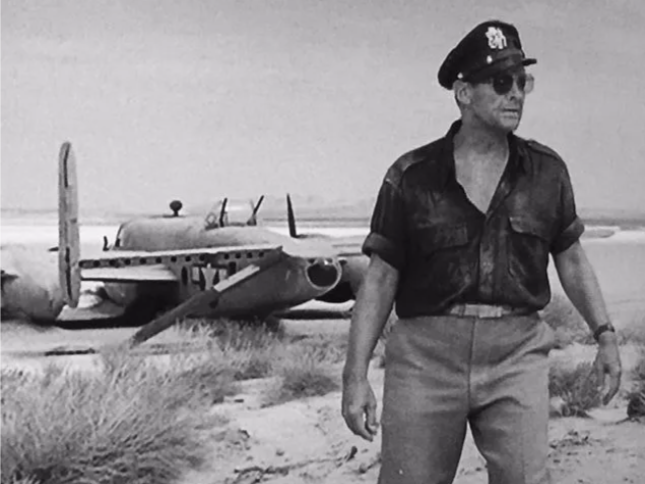
Captain James Embry wakes up alone after his bomber, the King Nine, crashed in an African desert. What exactly happened and where his fellow crewmates are is unknown, but the longer Embry investigates, the more unhinged he becomes by feelings of abandonment.
“King Nine Will Not Return” is a story filmed around an impressive set piece. I can appreciate why Sterling would want to take advantage of a real B-29 Mitchell Bomber and his story draws inspiration from an actual plane discovered long after the war in the Libyan desert.
But for obvious reasons, a “where-is-everyone” episode is going to hit harder in an abandoned town than in a vast, empty desert. Serling tries to differentiate things this time by layering in hallucinations and a twist that’s both psychologically grounded and oddly unexplainable. Still, by leading with this episode, comparisons to the season one opener are inevitable. And frankly, I don’t consider “Where Is Everybody?” as a standout episode. (I mean it’s not bad. It’s a lot better than this.) The monologue-heavy entries risk wearing thin fast.
NUMBER TWENTY-FOUR
S2.E28 ∙ The Mind and the Matter
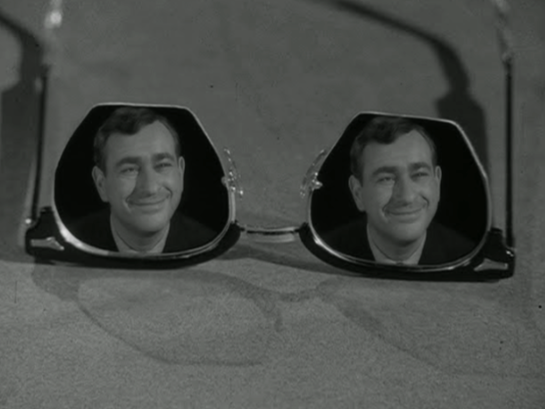
Let’s get this out of the way first: those ridiculous, unconvincing Shelley Berman masks on the people in the elevator are the worst effects so far in the series. But aside from that embarrassment, this ambitious episode actually isn’t that bad in the effects department. There’s even an interesting point-of-view shot right after the elevator scene that pans across desks, showing Berman as a different person each time.
Archibald Beechcroft is sick of the hurly-burly of urban life. Crowds have become intolerable. When a coworker accidentally spills coffee on him and later gifts him a book about harnessing the power of concentration, Beechcroft learns he can literally reshape the world as he wishes.
Given Berman’s comedic background, you’d expect a lightweight episode, but that’s only half right. “The Mind and the Matter” has a dark edge rooted in Beechcroft’s open misanthropy and his total lack of concern about voicing it, even to his boss. At times he comes across like a man teetering on the edge of a meltdown. And the way he uses his newfound power, and his complete lack of empathy, is psychotic.
This episode isn’t well regarded, probably because it’s sandwiched between four really strong episodes, but I personally think it doesn’t deserve its bad rap. Sure the ending ties up a little too neatly, but Serling works hard to make this “last-man-around” riff feel distinct from others in the series.
NUMBER TWENTY-THREE
S2.E25 ∙ The Rip Van Winkle Caper
In many ways, “The Rip Van Winkle Caper” is reminiscent of an episode from season one I didn’t really care for: “I Shot an Arrow Into the Air”. Both have sci-fi premises. Both trap a group of men in the desert where greed and self-interest doom them. And both telegraph their ironic endings from a mile away.
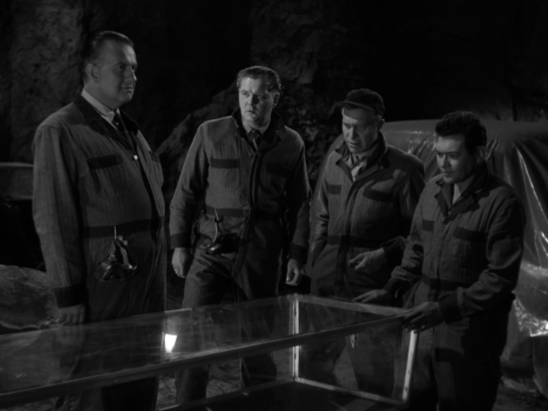
This time, four thieves have just robbed a train full of gold that was heading to Fort Knox. They hid out in a cave in Death Valley with a plan to put themselves in a state of suspended animation for a hundred years, assuming they would have gotten away with the crime by then.
The cast here is the episode’s strength. I like Oscar Beregi Jr. ‘s take on a criminal mastermind, and he plays well off of Simon Oakland’s greedy De Cruz. This alone makes the episode enjoyable.
Regardless, Sterling’s script is silly. Look, I can go along with a gas expert pulling off a flawless train heist and gold bars actually should hold their value over time. But the idea that these guys would willingly freeze themselves for a century is about as ridiculous as De Cruz’s decision to crash the truck. And the more time you put into deconstructing this plan, the more plot holes you’re going to find. None of it makes sense!
To be clear, I don’t hate this episode. The concept is fun, even if it doesn’t hold up to scrutiny. But this is far from the top-tier of Twilight Zone episodes, even if you value science fiction over horror. It’s just lightweight filler, but at least it’s entertaining.
NUMBER TWENTY-TWO
S2.E9 ∙ The Trouble with Templeton
“The Trouble with Templeton” plays like the missing link between “Walking Distance” and “The Sixteen Millimeter Shrine.”
Booth Templeton is an aging stage actor pining for the glory days of his youth. After a humiliating encounter with a brash young director, he storms out of the studio—only to find himself transported thirty years into the past.
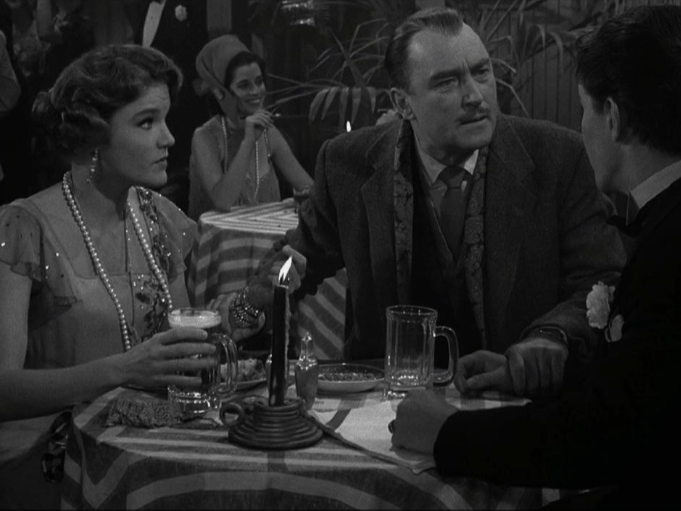
The episode ends on a bittersweet, almost redemptive note, but it doesn’t shy away from darker undertones. Templeton’s early monologue drips with despair, bordering on suicidal. And his visit to the speakeasy, where he reconnects with ghosts from his past, isn’t exactly a flattering look
Brian Aherne delivers an outstanding performance, but unfortunately the episode’s held back by an emotional turnaround happens too abruptly to feel earned. Plus, if the ghosts’ ultimately wish to help Templeton move forward, why are their methods so pointlessly elaborate and unnecessarily cruel.
NUMBER TWENTY-ONE
S2.E3 ∙ Nervous Man in a Four Dollar Room
Make of it what you will- but it’s kind of hard to ignore that repeated “You talkin’ to me” line.
Jackie Rhoades is a washed-up hood holed up in a cheap hotel room, waiting for the next dirty job to come down from the mob. But when he’s told to kill a stubborn old businessman who won’t pay for protection, it pushes him towards his breaking point.
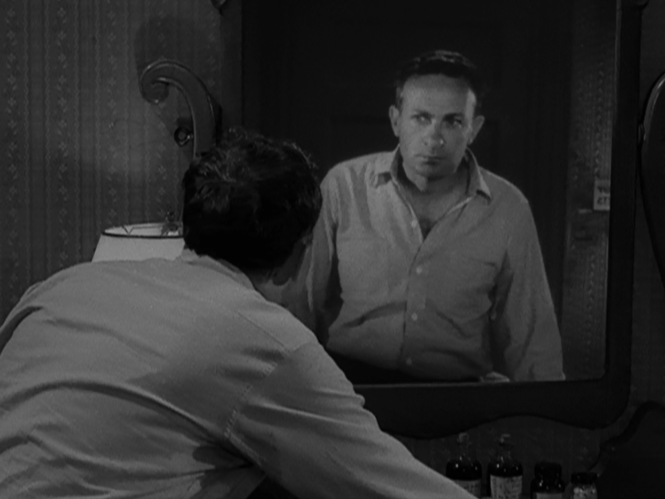
“Nervous Man in a Four Dollar Room” sets up a promising kill-or-be-killed dilemma and throws in a mirror-dwelling doppelgänger. Still, I can’t help but feel that Serling squanders the episode’s potential by going down a moralist path. Jackie, played with jittery conviction by Joe Mantell, is portrayed as too self-loathing and pathetic to be a credible killer, so I would’ve rather seen his reflection as a Mr. Hyde-type, pushing him toward the edge, not away from it.
The episode makes use of some interesting cinematography considering its shot in one room. And no matter what Hollywood lore says about that iconic line, I see it as evidence that the episode left a mark.
NUMBER TWENTY
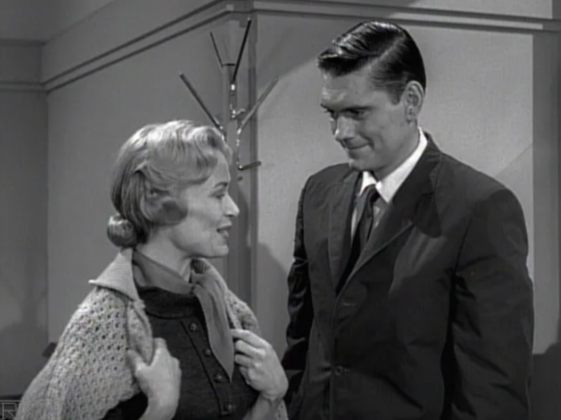
S2.E16 ∙ A Penny for Your Thoughts
This is one of the best regarded of the lighter episodes and demonstrates that The Twilight Zone handles drama better than comedy.
Hector Poole flips a coin that lands on its edge and miraculously gains the ability to read minds. The episode effectively explores the pitfalls of eavesdropping on people’s thoughts, showing Poole quickly learning that most people think more unpleasantly than they admit and that thoughts don’t always lead to actions.
Because of the light tone, I probably downgraded this episode more than others will. It is well executed for what it is. The office romance adds a nice touch, especially since Sterling’s script wisely has Poole lose his mind-reading ability before it starts to turn really creepy.
NUMBER NINETEEN
S2.E18 ∙ The Odyssey of Flight 33
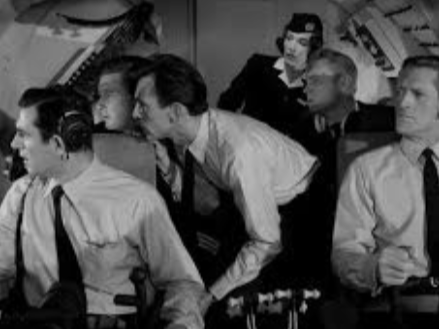
The set up for “The Odyssey of Flight 33” is great! A four man crew in the cockpit try to determine the reason why their passenger jet is continuously accelerating at an alarming rate, and why their instruments are becoming increasingly useless.
The first half features some of the series’ strongest performances, capturing a convincing fly-on-the-wall realism. Even in that strong ensemble, John Anderson stands out as Captain “Skipper” Farver. He’s one of my favorite characters to come out of The Twilight Zone.
I also have no issue with what might be The Twilight Zone’s unusually abrupt ending.
“The Odyssey of Flight 33” is a fan favourite and I’ve already said a lot of nice things about it, so why is it ranked it so low? Put simply, I didn’t feel the episode maintained the promise of its original and unusual premise. The grounded realism that made the setup so compelling collapses once it collides with heavier sci-fi elements, and even the performances start to suffer as a result.
NUMBER EIGHTEEN
S2.E12 ∙ Dust
“Dust” is an often-overlooked episode of The Twilight Zone. Its written by Serling and set against the backdrop of the Old West, a good place for a story where justice and morality blur into shades of gray.
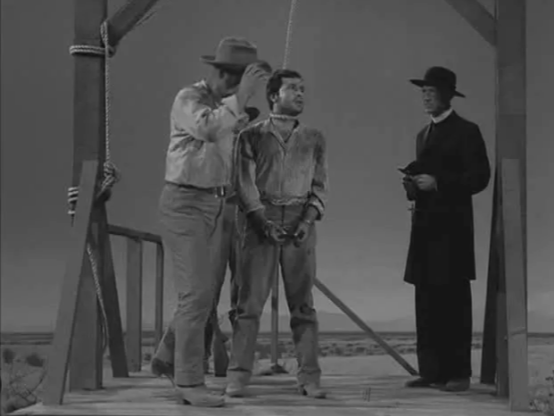
Luis Gallegos is a young Hispanic man in a jail cell waiting to be hanged for accidentally running over a girl with his wagon while he was drunk. With the exception of the sheriff, the townspeople all seem too eager to watch a man die, though Luis’ father still pleads to any who might listen for mercy. That’s when an unscrupulous salesman decides he can make a buck (actually 100 pesos) selling dirt to Luis’ father that he claims has magical properties that could save his son.
Serling does an effective job of portraying humanity at its ugliest in the lead-up to the hanging. While “Dust” doesn’t hit as nearly as hard as “The Monsters Are Due on Maple Street” in its critique on mob justice, it still remains a worthwhile watch.
I can appreciate that Serling’s stance on mercy and justice in “Dust” are a bit controversial, but that’s one of the reasons I like this one.
NUMBER SEVENTEEN
S2.E10 ∙ A Most Unusual Camera
“A Most Unusual Camera” is another reminder that The Twilight Zone does dark humour well.
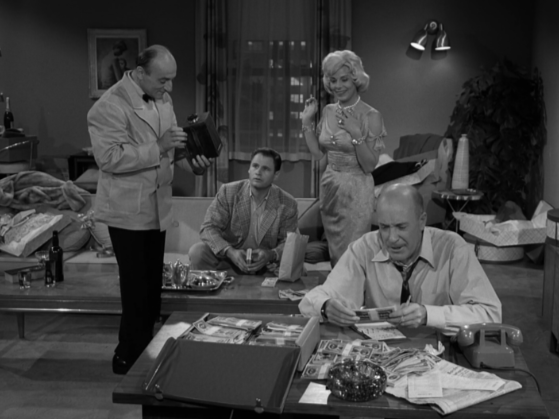
Chester and Paula Dietrich are petty criminals that get hold of an old self-developing box camera during an antique store heist that failed to get them the kind of valuables they were hoping for. After dismissing most of the stolen goods as junk, Chester takes a picture of Paula using the camera, but when it develops, she is wearing a fur coat she didn’t have on before.
In time, the two discover the camera takes pictures of the near future. Eventually, Paula’s brother, Pierre—who is an escaped convict—enters into the episode and the three make plans to use the camera to make money. What can go wrong?
“A Most Unusual Camera” feels like a slightly different episode of The Twilight Zone because it’s uncommon for no single character to take center stage. Instead, the shared spotlight allows multiple characters to fall victim to hubris before the credits roll.
NUMBER SIXTEEN
S2.E11 ∙ The Night of the Meek
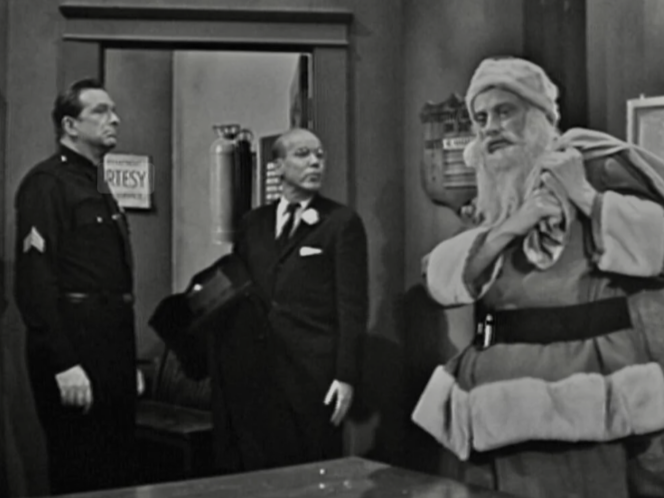
Christmas comes to The Twilight Zone—a concept that on its own should sound extremely unappealing. But wow—this episode delivers! Must be that Christmas magic!
Actually, it’s Art Carney that carries this episode with a nuanced turn as Henry Corwin, a man whose biggest failing comes from an overabundance of compassion. “The Night of the Meek” is one of the infamous six episodes shot on videotape, but in this case, the choice feels less damaging. Holiday episodes often benefit when they put intimacy over spectacle, and the videotape format, though visually flatter, lends a raw, almost theatrical, quality that deepens the emotional resonance of Corwin’s redemption.
“The Night of the Meek” opens on a bleak note. Corwin, unemployed most of the year, picks up seasonal work as a department store Santa. On Christmas Eve, he ducks into a bar on his break—still in costume—and gets drunk. And for once, a drunk Santa is not played for laughs.
Naturally, Corwin gets fired. But not before delivering one of Rod Serling’s most poignant speeches. If there is magic at play here, it is in the way Serling makes you empathize with Corwin’s alcoholism.
The episode takes a turn after Corwin discovers a bag that can produce any gift another desires. It’s an idea that is simple, yet intelligent—and one that fits perfectly within the episode’s brief 24-minute runtime.
NUMBER FIFTEEN
S2.E21 ∙ The Prime Mover
The second of a Beaumont trifecta. Why Beaumont’s episodes went back-to-back-to-back is beyond me, but this run of episodes is pretty solid.
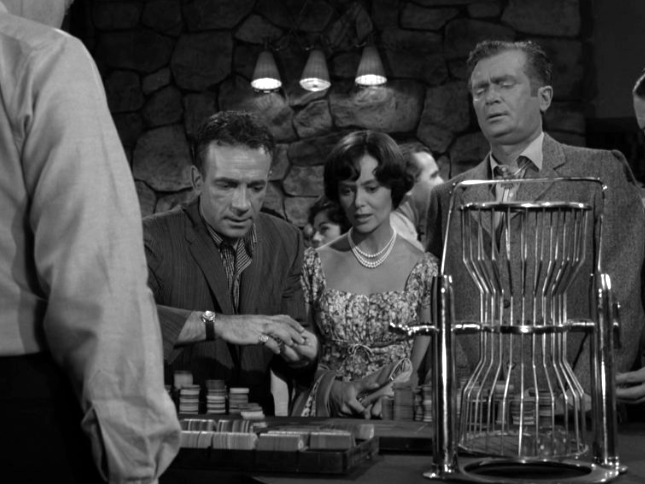
Here we have Ace Larson, a down on his luck cafe owner who discovers that his partner, Jimbo Cobb, has telekinetic powers. So to turn his luck around Ace convinces Jimbo to make a road trip to Vegas.
This one starts out with a pretty crazy car looking accident that reuses footage from a film called Thunder Road. After that, Jimbo’s telekinetic effects feel more grounded, but the effects are still well done. Yet, even though Jimbo is the one with powers, it’s Ace who the story actually centers around.
And Dane Clark, who plays Ace, does an excellent job with a difficult assignment. He has to keep Ace likable without tipping him over. (In truth, his treatment of Kitty and flirtations with the cigar girl might be enough of a crossed line for some). Ace, as a character, is a walking contradiction that allows intense obsessions to overshadow his otherwise carefree personality.
In the end, this is really just a cleverly disguised guardian angel-type episode that manages to make the protagonist’s turn for the better believable.
NUMBER FOURTEEN
S1.E2 ∙ The Man in the Bottle
Given how often Season One explored the pitfalls of wish-fulfillment, it’s only fitting that a genie would show up early in Season Two.
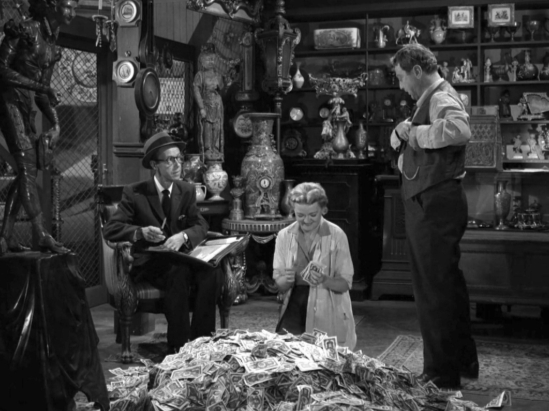
With “The Man in the Bottle,” Serling gives a familiar story a distinctly Twilight Zone twist. Arthur Castle (Luther Adler) runs a failing antique shop with his wife. They have fallen behind on their bills, but still Arthur begrudgingly pays for a bottle a desperate woman is trying to pawn. Turns out, the bottle contains a genie who is willing to grant Arthur four wishes.
The casting here is excellent. Joseph Ruskin brings a devilish charm to the genie, walking the line between menace and mischief. Like all classic genie tales, the wishes will come with a catch, so the episode plays out like a long joke as we wait for the punchline. Fortunately, when that moment arrives, Adler delivers one of the most memorable moments of the entire series.
NUMBER THIRTEEN
S2.E23 ∙ A Hundred Yards Over the Rim
A man is taken out of the Old West and brought to modern times. Didn’t we do this already in Season 1.with “Execution”.
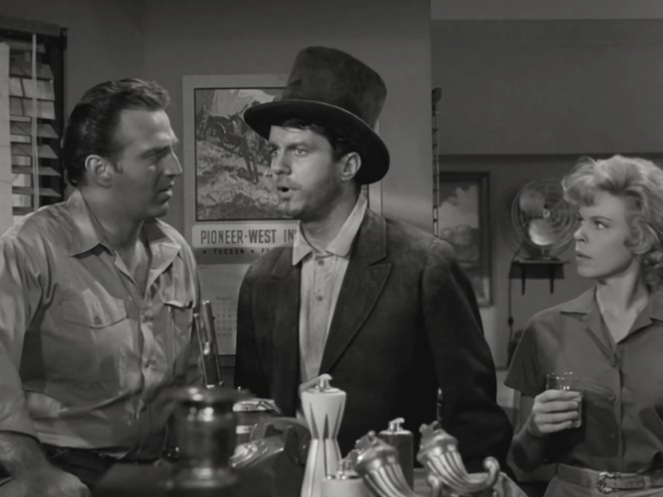
But “A Hundred Yards Over the Rim” is different enough to return to the premise again. Unlike the murderous protagonist of “Execution”, Christian Horn is a husband and father, though his child has become terribly ill during their attempts to cross the desert in New Mexico.
The wagon train Horn leads is attempting to make the trip to California, but the men are tired and ready to give up and turn back. Horn convinces them to let him explore the other side of a hill, hoping it might reveal something that could help them, but when he crosses the rim, he finds a modern road and electrical tower on the other side.
At first, I felt “A Hundred Yards Over the Rim” was going to be one of those episodes you watch while waiting to get to the better episodes. Don’t get me wrong, Cliff Robertson does a great job acting the part of a fish out of water as he slowly begins to clue in to what has happened to him. But the reason for the time travel feels like it has no purpose until the reveal of a pill bottle suddenly got me invested.
“A Hundred Yards Over the Rim” is a fan favourite and I might take some heat ranking it as low as I have. (Even if I really haven’t ranked it that low.) The supporting cast, many of which are credentialed actors in their own right, is amongst the best in any episode. Perhaps I have an anti-time travel bias because I never seem to like any of the time travel episodes as much as the general public.
NUMBER TWELVE
S2.E27 ∙ Shadow Play
“Shadow Play” is the third Twilight Zone episode to center around a dream. In “Perchance to Dream,” the protagonist is haunted by a sequential dream. In “Twenty-Two,” the heroine is tormented by a recurring one. But “Shadow Play” is different. Whereas those earlier episodes move between the dream and the waking world, this one unfolds entirely within a single dream… or does it?
Adam Grant is convicted of murder and sentenced to die in the electric chair. As he’s led from the courtroom, he rages that everyone has just doomed themselves because their entire reality exists only in his recurring dream, and he always wakes up at the moment of his execution.
Everyone simply assumes Grant is desperate or insane. Everyone, that is, except for a reporter who has spent time talking to Grant and convinces the District Attorney to speak with him as well.
There’s a fascinating meta-aspect to “Shadow Play.” Dennis Weaver does a solid job portraying Grant as he questions the logic and structure of his own world to anyone who might listen, pointing out how events unfold too neatly and characters behave too conveniently, like it might in a television show.
Written by Beaumont and based on his own short story, “Shadow Play” is more nihilistic than The Twilight Zone usually dares to be. If Grant is telling the truth, sparing him only delays the inevitable, since he will eventually wake up and erase this world anyway. Yet within that grim setup lies a strange celebration of life, as those who start to believe Grant fight to cling to existence even after they suspect it may just be an illusion.
NUMBER ELEVEN
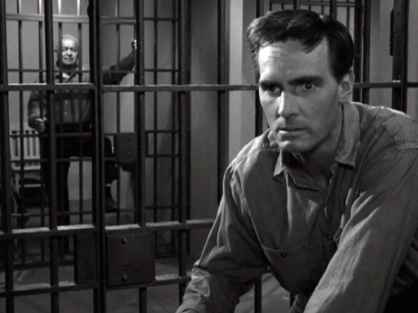
S2.E4 ∙ A Thing About Machines
One of The Twilight Zone’s most divisive episodes. On the surface, it features an unlikable protagonist and laughably low-budget sentient electric razor effect that could go toe-to-toe with season one’s “Fever” in sheer camp. But it’s also one of the series’ most misunderstood stories, with layers of psychological subtext simmering just out of sight.
Bartlett Finchley is a misanthropic food critic who lives in isolation, clinging to his bubble of superiority. His constant judgment and hostility are a defense mechanism against a world that’s outgrown him. Beneath the snobbery is raw fear of irrelevance, of change, and, increasingly, of machines. He’s convinced they all hate him…and he might not be wrong.
There are a lot of ideas in this episode that make you think it may have kicked around in Stephen King’s skull during the early portion of his career. The Shining, Christine and “Trucks” (The short story that inspired Maximum Overdrive) are all stories that come to mind while watching this episode.
And however much you might loathe Finchley as a character, it’s hard not to appreciate the desperation Richard Haydn brings to the role. I give credit to Serling for not just leaning into the absurdity, but blending it into biting dark humor that lingers after the credits roll.
NUMBER TEN
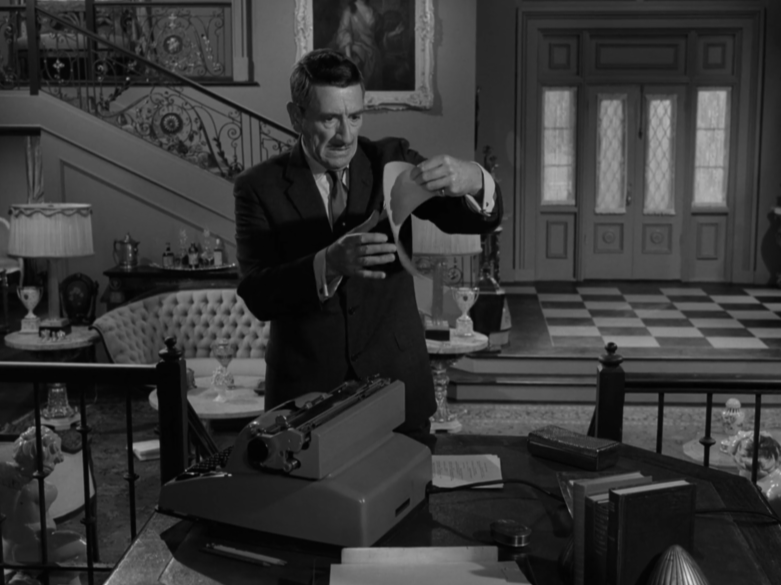
S2.E20 ∙ Static
Thematically, “Static” is not that far removed from “The Trouble with Templeton” and I’m sure some people might think I ranked them backwards. Certainly the production cost of “Templeton” is higher, as this is the fifth of the videotaped episodes and as a result the locations are kept simple.
Actor Dean Jagger really sells us on the aging Ed Linsey’s longing for another time. He finds relief from an old radio that seems to be broadcasting songs and shows from over twenty years ago. Nobody at the boarding house Ed lives in believes him and everytime he tries to get someone to hear this ghost station from the past, the radio plays static instead.
Where “Static” wins over “The Trouble with Templeton” is in pacing and writing. Sure the set pieces aren’t elaborate, and the quality of the video footage is obviously poorer, but the combination of Beaumont’s script and Jagger’s performance elicits real heartbreak, disdain and longing.
And for those watching the episodes in consecutive order, this marks the first in a trifecta of underappreciated Beaumont written stories.
NUMBER NINE
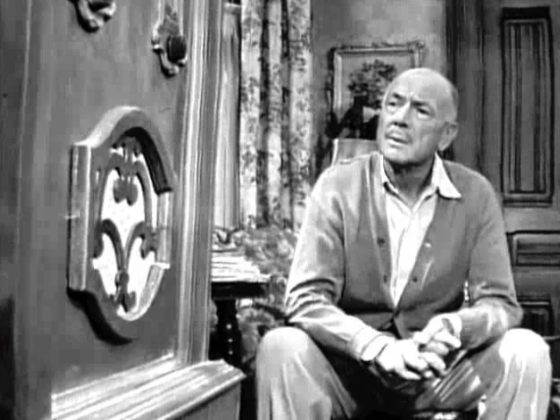
S2.E22 ∙ Long Distance Call
The last of three episodes that aired in a row that Beamont had a hand in, though this one comes from a Maxwell Sanford script he adapted. It’s also the last of the videotaped episodes, many of which are good despite having been tied to this dreadful, failed, cost saving experiment. (In hindsight, those who worked on the show say the money saved wasn’t worth it.)
The beginning of the episode feels a little too like a stage play being filmed, a problem common to the videotaped episodes. The story starts on Billy Bayles’ fifth birthday as his grandma buys him a phone. At first, outside of grandma being sick, nothing seems out of the ordinary. She buys Billy a toy phone as a gift and her connection to her grandson feels real.
As she’s dying, doctors warn the family that grandma might be delirious, but when they go to say their goodbyes she only seems to recognize Billy, claiming her own son- Billy’s father- was stolen away by some other woman. Her last wish before she dies is that Billy could join her.
After grandma dies, the stage play feeling of the episode dissipates and an eeriness kicks in. It becomes even clearer that grandma’s role in the family when she was alive was often toxic. She disliked Billy’s mother and developed a disturbing close bond to Billy. Now that she’s dead, Billy seems lost and talks on his toy telephone a lot, seemingly having real conversations. And when his mother, curious, wants to know who he’s talking to, he answers grandma.
“Long Distance Call” has a fantastic premise going for it. The hidden history of the family slowly reveals itself in unflattering ways as grandma, even while dead, just can’t seem to get enough of Billy. This is a dark episode, even for The Twilight Zone, and it’s sad to think how much better it might have been had it been shot on film.
NUMBER EIGHT
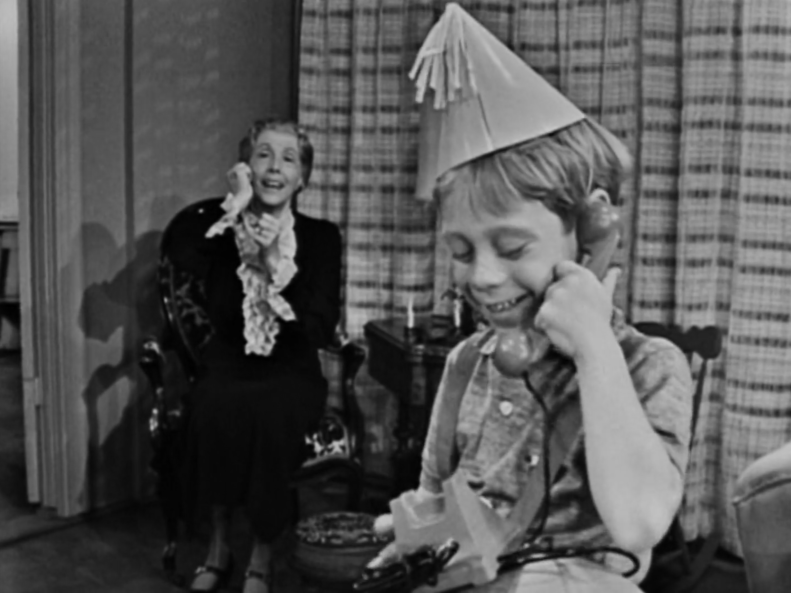
S2.E17 ∙ Twenty-Two
“Twenty-Two” is widely regarded as the best of the six infamous video taped episodes (released fourth), so it is also the one where the poor quality of the footage is the most troublesome. On a trash episode like “The Whole Truth” it doesn’t really matter. But “Twenty-Two” is really good, so we can only wonder what this episode might have been had they just shot it on film.
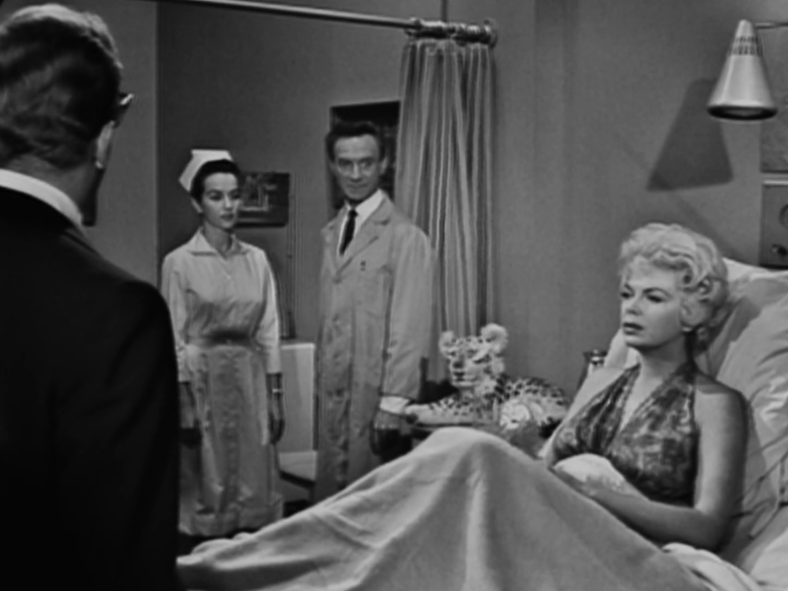
Exotic dancer Liz Powell has been checked into a hospital, supposedly for exhaustion. But the hospital may be making her condition worse. Since she’s been admitted, she’s had a recurring nightmare that’s been keeping her up at night. Worse still, Liz swears every night that the dream really happened, yet nobody will believe her.
The episode actually starts by showing Liz’s nightmare. She wakes up in her hospital bed, knocks over a glass of water and then hears footsteps outside her room. She ends up chasing a shadowy figure into an elevator and then ends up in a basement corridor, only to find herself outside the Room 22, the hospital’s morgue. After that, a sinister looking nurse comes out the door, smiles at Liz and says “There’s room for one more, honey.”
What does this all mean? Is Liz going crazy? I found the answer to be more than satisfying.
I was actually surprised Sterling wrote the teleplay for this one because the horror and blatant sexism sprinkled throughout the episode has Beaumont’s signature all over it. Barbara Nichols, only the eighth female lead, is a great choice to play the part of Liz. She mixes sass with vulnerability, showing us just enough street smarts to have us believe that she might not be a complete lunatic.
NUMBER SEVEN
S2.E29 ∙ The Obsolete Man
One of the most beloved episodes of The Twilight Zone. Set in an authoritarian dystopia, it’s also one of the most currently relevant episodes in terms of messaging.
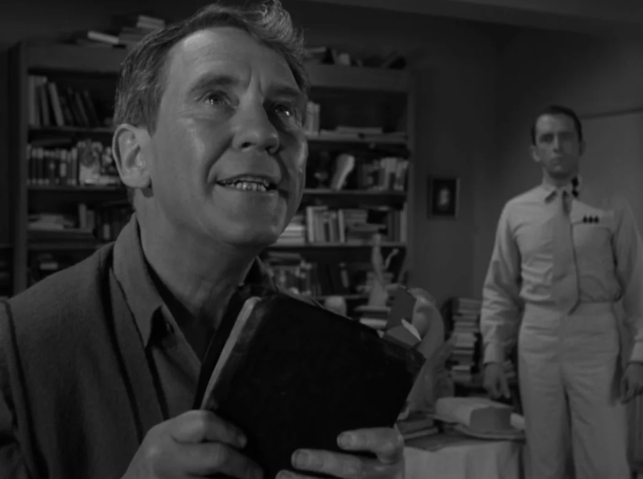
Burgess Meredith, who played Mr. Dingle earlier this season, now plays Romney Wordsworth and the contrast is striking. Dingle was a stuttering fool lacking in confidence and self-worth. Wordsworth, in contrast, might be the only character in the entire series to know he’s living in The Twilight Zone, and not one of the quirky episodes either. And he’s ready to accept his fate on his terms
“The Obsolete Man” begins with Wordsworth, a librarian, being labelled as obsolete by a Chancellor running a bizarre courtroom that sentences all who are viewed as against the state, or obsolete, to death. In this society books are banned, so Wordsworth’s steadfast declaration that he is a librarian is scoffed at by the Chancellor.
Wordsworth knows he’s a doomed man, but he came into the courtroom prepared. The State allows those who are declared obsolete to pick their form of execution, as long as it takes place in 48 hours. Wordsworth requests that his form of execution be kept private between him and his executioner and also that his death be televised. The Chancellor, assuming Wordsworth is weaker than he is, agrees, admitting that the convicted man’s pleas in his final moments of life make for great State propaganda.
Serling’s best trick is making you think this episode is about Wordsworth when it’s really about the Chancellor, played by Fritz Weaver. Many read it as a grand pro-democracy parable, but I think that’s a bit of an oversell. At its core, “The Obsolete Man” is a ruthless anti-authoritarian statement, reminding viewers that blind devotion in a dictatorship means nothing once the State decides it is you that is no longer useful.
NUMBER SIX
S2.E26 ∙ The Silence
After “The Rip Van Winkle Caper”, season two of The Twilight Zone comes to a close with some real bangers and “The Silence” gets it started.
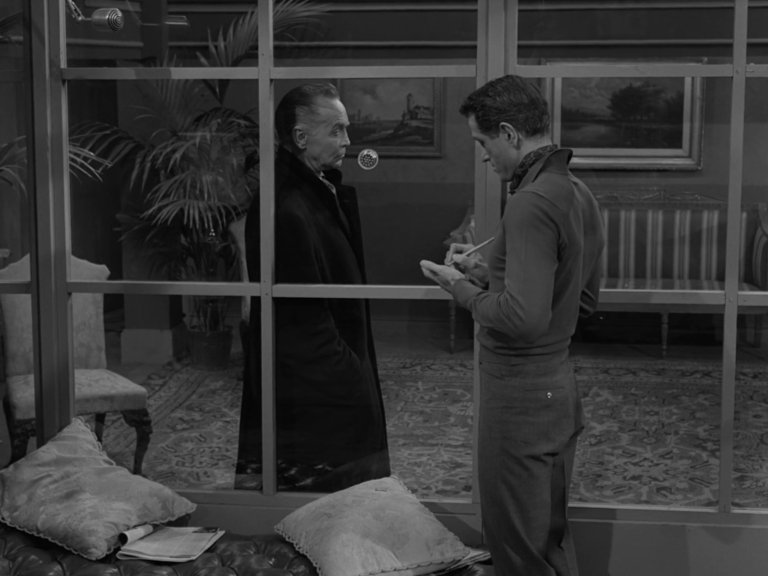
Colonel Archie Taylor enjoys his time at his exclusive men’s club…mostly. Turns out, he absolutely can’t stand Jamie Tennison and finds his voice and bravado grating. Knowing Tennison’s finances are in shambles, Taylor makes a cruel wager. If Tennison can stay completely silent for a full year inside a glass, microphone-rigged enclosure, Taylor will pay him half a million dollars.
Franchot Tone and Liam Sullivan both excel at embodying pride, arrogance, with a whiff of old money and privilege. They are both morally bankrupt men and it’s a pleasure seeing them pitted against one another.
As the year drags on, the story turns nastier. Taylor, desperate to win, tries to break Tennison’s resolve by feeding him lies about his wife’s supposed infidelities.
Anyone familiar with Anton Chekhov’s “The Bet” will recognize its influence here. “The Silence” is far more grounded than Chekhov’s tale, but its twist ending makes it equally devastating. Both writers seem to appreciate that any bet this foolish must produce no winners.
NUMBER FIVE
S2.E5 ∙ The Howling Man
“The Howling Man” is considered to be one of the best episodes of season two. Written by Charles Beaumont, it tells the story of David Ellington—an American whose walking tour of Europe is interrupted by a violent storm. Ellington tries to take refuge in a castle, learning that it is currently a home for a group of monks. But for some reason, the leader of the monks, Brother Jerome, is not eager to help Ellington with his request for food and shelter.
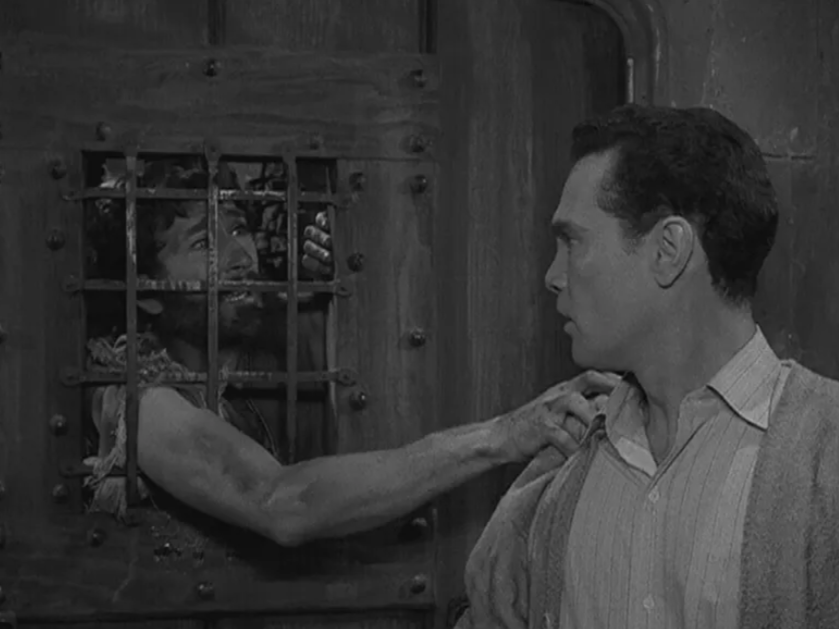
Ellington hears constant howling coming from within the castle and when he goes to investigate he finds a man in a prison cell who tells him a story of Brother Jerome’s cruelty. The imprisoned man tells Ellington the monks are mad religious fanatics and that Brother Jerome locked him up simply for kissing a woman. But when Ellington confronts Brother Jerome about the matter, he is told by the monk that the man in the cell is actually the Devil.
Who is Ellington to believe?
Beaumont delivers another dark script that gives horror fans something to sink their teeth into. Thunder cracks at all the convenient times and the tilted camera angles create the feeling that this whole incident is like a tense fever dream. Unlike most episodes of The Twilight Zone, “The Howling Man” starts with an opening monologue by Ellington that explains this is actually a story about Ellington’s past that he is telling in the present, which only adds to the intrigue.
And, like so many of Beamont’s early scripts, this one stays with you.
NUMBER FOUR
S2.E15 ∙ The Invaders
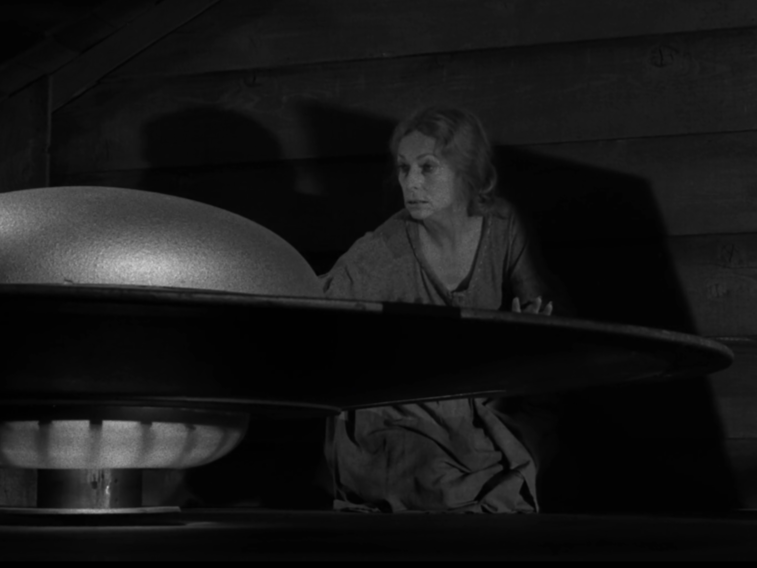
A woman living in a remote cabin hears some strange noises and soon finds herself in a fight for her life against alien invaders. But there’s a catch that may tip the fight in her favour—the invaders are tiny.
For obvious reasons, The Twilight Zone is at its best when it doesn’t rely heavily on special effects—and that’s the main weakness of “The Invaders.” Though scenes that include the invaders are sparing, when they do appear the aliens resemble pudgy toy robots with light up blasters.
What elevates the episode is its direction and Richard Matheson’s minimalist script, which contains almost no dialogue. Agnes Moorehead, the episode’s sole on-screen performer, doesn’t even utter a single line. It’s also one of the few episodes where action unfolds in real time, adding an immediacy and tension that make the struggle for survival feel visceral and urgent.
Despite their size, these invaders are vicious. Their weapons can sear circular burn marks into human skin, and they wield a full-sized kitchen knife with alarming effectiveness. Small as they are, they’re crafty, relentless, and far from harmless.
Still, it’s the final twist that gives “The Invaders” its lasting impact by casting its most curious details in a new light. It’s a classic example of how The Twilight Zone could take a simple premise and turn it into something haunting and unforgettable.
NUMBER THREE
S2.E6 ∙ Eye of the Beholder
“Nighmare at 20,000 Feet” is The Twilight Zone’s most popular episode, but “Eye of the Beholder” is actually regarded as the quintessential episode by most fans of the series.
Even though I do believe the two episodes I listed ahead are better, I don’t deny the importance of “Eye of the Beholder” to the series as a whole. This is a standout episode in terms of social commentary and camerawork.
It also marks only the sixth time the series has featured a female protagonist- continuing a streak that shows the female led episodes to often be the strongest.
But before I continue, I’d like to give a warning. The Internet is a little too good at spoiling the reveal of this episode in particular, so if you haven’t started watching any episodes of The Twilight Zone yet, you may want to consider watching this episode first.
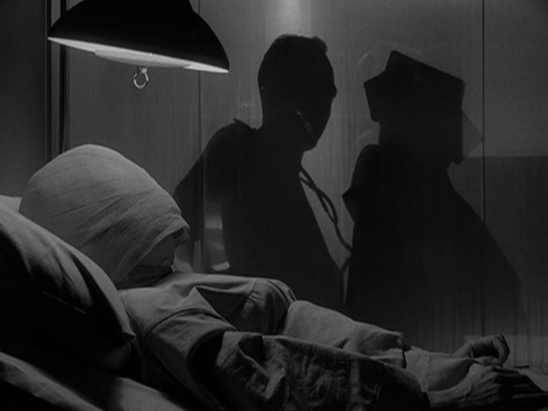
Janet Taylor is laying in a hospital bed with bandages on her face. She is severely disfigured and this is her eleventh attempt at looking normal. But viewers will quickly note that Janet’s face is not the only one being hidden from the audience. Sure, there’s a chance you might predict Serling’s twist early, but that doesn’t make it any less effective.
“Eye of the Beholder” has a dreamlike quality to it, and Maxine Stuart—who voices the bandaged Janet—only amplifies the surreal tension with her powerful delivery. And the camerawork and lighting used to obscure faces is brilliantly executed.
But the true legacy of ‘Eyes of the Beholder’ lies in its masterful blend of body horror, satire, drama, and science fiction, culminating in a final act that’s unforgettable. Once those bandages are off there is no turning back!
NUMBER TWO
S1.E28 ∙ Will the Real Martians Please Stand Up?
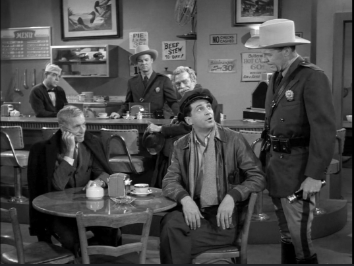
Two officers investigating reported UFO see tracks leading from the pond to a diner and then Serling lets us know in his monologue that we viewers will “be part of an investigating team” trying to determine which patron is our alien intruder.
“Will the Real Martians Please Stand Up?” has a lot in common with “The Monsters are Due on Maple Street”, except in this episode viewers are pretty sure there actually is a Martian amongst those in the diner, or at the very least an interloper of some type. The bus driver is adamant that he only had six passengers on his bus and the diner’s owner says nobody was inside the diner before the bus arrived, but there are definitely seven people in the diner besides themselves. Who is the extra person and did they really come from outer space?
The answer will more than satisfy any fans of the series.
“Will the Real Martians Please Stand Up?” is littered with some of The Twilight Zone’s most memorable supporting characters. We get the disgruntled businessman, the elderly kook, the nervous newlyweds, a young blonde without identification, the complaining old couple and the quiet unassuming man in the background. There are enough quirks within this lot of characters to spread suspicion around.
For a Serling script, there just isn’t the moralizing to give the darker moments meaning. And isn’t The Twilight Zone so much better that way?
NUMBER ONE
S1.E7 ∙ Nick of Time
When discussing The Twilight Zone, people usually associate William Shatner with “Nightmare at 2000 Feet”, but fans of the show know he was also the lead in another great (dare I say better) episode.
Richard Matheson essentially takes the bones of Sterling’s “Fever” and repurposes them to make one of the most intense episodes of the entire series. “Nick of Time” still highlights themes of paranoia and addiction, but adds in an element of prescience that considerably ups the ante.
I found this episode to be absolutely mind-blowing.
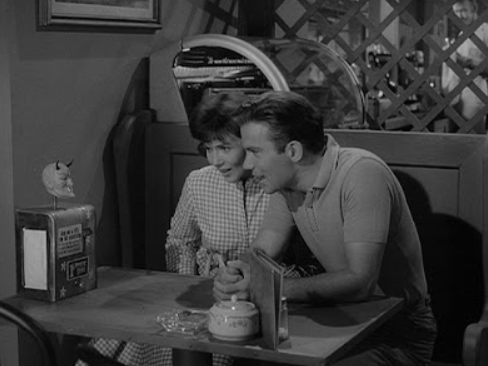
Don (William Shatner) and Pat Carter (Patricia Breslin) find themselves stuck in Ridgeview, Ohio after their car breaks down. To kill time, they eat lunch in a diner that has fortune telling machines at every booth. Don, being a little too superstitious, asks the machine if he is going to get the promotion he is in the running for. After getting a positive answer, he calls the office and, sure enough, the machine is right.
Despite Pat’s objections, Don begins giving the machine more credit than perhaps it’s due, and after a few more pulls he begins to suspect that he and Pat may be in real danger if they leave the diner before 3 o’clock.
This is a smartly written episode that offers more than one way to interpret its events. It also gets philosophical in its approach to fate and whether knowing your future really is better. All it takes is one simple machine to suddenly create “one of the darker places of the Twilight Zone.”
Out of all the season two episodes, “Nick of Time” offers the purest example of psychological horror— and psychological horror is what The Twilight Zone does best.