
Buffet Infinity
2025
Rated: R
Genre: Horror, Dark Comedy
Country: Canada
Run-Time: 1h 40min
Director: Simon Glassman
Cast
Kevin Singh…………..……Mostley Rosin
Ahmed Ahmed…………Ahmed
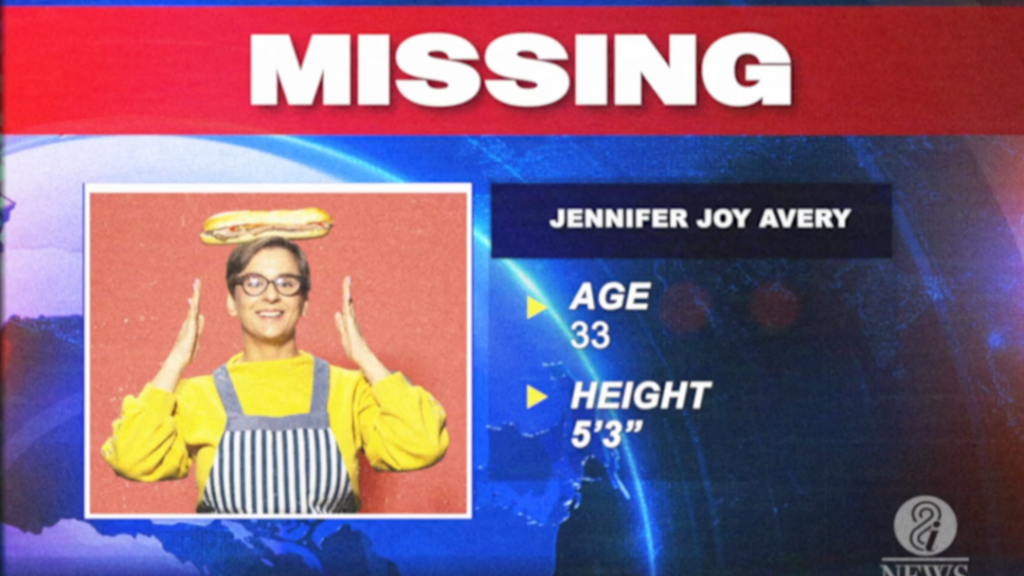
Allison Bench…………….Jennifer Joy Avery
On my first viewing, I wasn’t sure what to make of Buffet Infinity. I like unusual films that push the boundaries of storytelling, but this one is pretty out there: a full-length feature that feels like an expanded episode of Adult Swim’s notorious Infomercials—the series that brought us “Too Many Cooks,” “Unedited Footage of a Bear” and, my personal favourite, “This House Has People in It.”
Though not specifically a horror series, many of the Infomercials, including all three of the above, incorporated horror into their mayhem. Each episode would create a satirical commercial, instructional video or parody of low-budget television, but some of the most memorable ones pushed their dark humour into increasingly creepy, often horrific territory.
There is a definite aesthetic relationship between those early Infomercials episodes, which are now more than a decade old, and the analog horror movement that emerged on YouTube shortly afterward. Both frequently use deliberately cheap-looking production, fictional television broadcasts and the aesthetics of low-budget or local media to create an unsettling sense of authenticity. That said, I never really thought either format on its own could support a full-length feature. I always assumed elements of these styles would influence individual films, like the experimental Skinamarink or the televised-variety-show horror of Late Night with the Devil. Or they would be used primarily as a marketing tool, as they were with Longlegs.
Buffet Infinity, however, may be about as close to a good feature-length analog horror experience as we’re ever likely to get. Watching it made me better appreciate the link between those Infomercial episodes and the cult Internet horror phenomenon that came after. They all use elements of degraded, low-fi media, fake broadcasts, emergency messages, local television aesthetics and the unsettling illusion that you’re watching something you weren’t supposed to see.
Buffet Infinity also ended up containing far more poignant social commentary than I ever would have expected.
In fact, the more I think about it, the more certain I am that this film not only belongs in The Midnight Selections, it is the exact type of movie I should be championing.
Hell, even the trailer’s special. After watching that, how can somebody not put it on?
Now, I’ll admit, if you are a traditional horror fan, you might not appreciate what Buffet Infinity is offering. But if you like dark humour and appreciate experimental formats, you will likely eat this one up. (Pun intended.)
Buffet Infinity tells a fragmented narrative through a series of local commercials for an accident lawyer, an insurance company, a pawn shop, a used-car dealership, a sandwich restaurant, a depression drug, a strange religious institution and an insidious buffet that seems intent on consuming all the competition. Interspersed throughout the advertisements are clips from the local news network, as well as more conventional commercial parodies that I believe are probably the eight AI scenes Canadian filmmaker Simon Glassman admits to including. (Believe me, the eight scenes are not enough to get outraged over. If I had to guess, I’d say he used it to make those short clips of the more conventional commercials. If so, this only enhances the idea of the buffet being an analogy for AI.)
At times, Buffet Infinity’s fragmented format can be confusing. I had to watch the film twice to fully understand the ending, though I was really, really sleepy during my first viewing. The horror has a cosmic quality, so it is never really fully explained, but on my second viewing, I realized the film contained a far deeper lore that providing more explanation than I initially caught. Fortunately, the fast pace caused by commercial overload makes it the film extremely rewatchable.
Glassman’s story starts with a sinkhole emerging at the back of a strip mall at the same time an impossibly cheap all-you-can-eat buffet named Buffet Infinity is about to open. Meanwhile, simple commercials featuring black text against a red background—very analog-horror-inspired—funded by the mysterious group known as the Westridge Society for Religious Freedom warn that a great evil has arrived.
As the film continues, commercials funded by local businesses start to intertwine into a larger narrative that centres around the strange stories circulating about the buffet as its parasitic nature begins to unfold.
Glassman has incorporated common television-marketing patterns into the film’s presentation. Though Buffet Infinity is edited to feel like one continuous channel-surfing session, the story unfolds over the course of weeks. But since it’s not unheard of to watch two different commercials for the same product in one viewing session, the format isn’t particularly jarring. The film also captures the need for an ad campaign to try to create a sense of familiarity while trying to make each installment feel bigger than the last.
But there are some interesting breaks from the formula. Every time a Buffet Infinity commercial airs, it often feels as though it has overrun the station’s signal. (The idea that the airwaves have been highjacked is a common analog horror trope.) Jenny’s commercials are often hit with signal disruptions when it takes jabs at its competitor. After a while, the local ads become increasingly interested in affecting local politics and less interested in pushing product.
By the end, the format suffers a complete and intentional breakdown, but not in a way that would feel unfamiliar to fans of Infomercials, a show that regularly diverged into the surreal in both form and content. One has to assume that Casper Kelly would be proud.
In the meantime, there is plenty to enjoy. The songs for Ahmed’s Pawn Shop. The constant barrage of attacks on Jenny’s heritage. The increasingly distressing monologues from the always smiling Babbacock Insurance spokesperson. The multiple facets of Langdon P. Hershey. (I particularly love the clips of him performing martial arts.)
On the surface, Simon Glassman’s Buffet Infinity may seem like a fun, albeit dark, analog-horror comedy with an innovative format, but if you dive deeper, you’ll find it actually offers quite a lot of clever commentary on consumer culture, the influence of local celebrity, the use of money to sway broadcast media and politics, and the devouring presence of a big corporate entity moving into a small town, wanting the whole pie for itself. (And don’t discard that analogy to the arrival of AI I referred to earlier.) It is rare to find a low-budget film aiming for cult appeal that contains so much topical relevance.
Making this film made was obviously a labour of love for Glassman that, in the end, paid off.
Now, powers that be: go out and offer him a chance to make a V/H/S segment already!